
Meta Plants Its First Canadian Data Center in Alberta, Wiring the Province Into Its Global AI Stack
Meta's choice of central Alberta for its first Canadian hyperscale facility isn't a regional courtesy—it's a deliberate expansion of the compute backbone feeding Llama and every model that follows it.
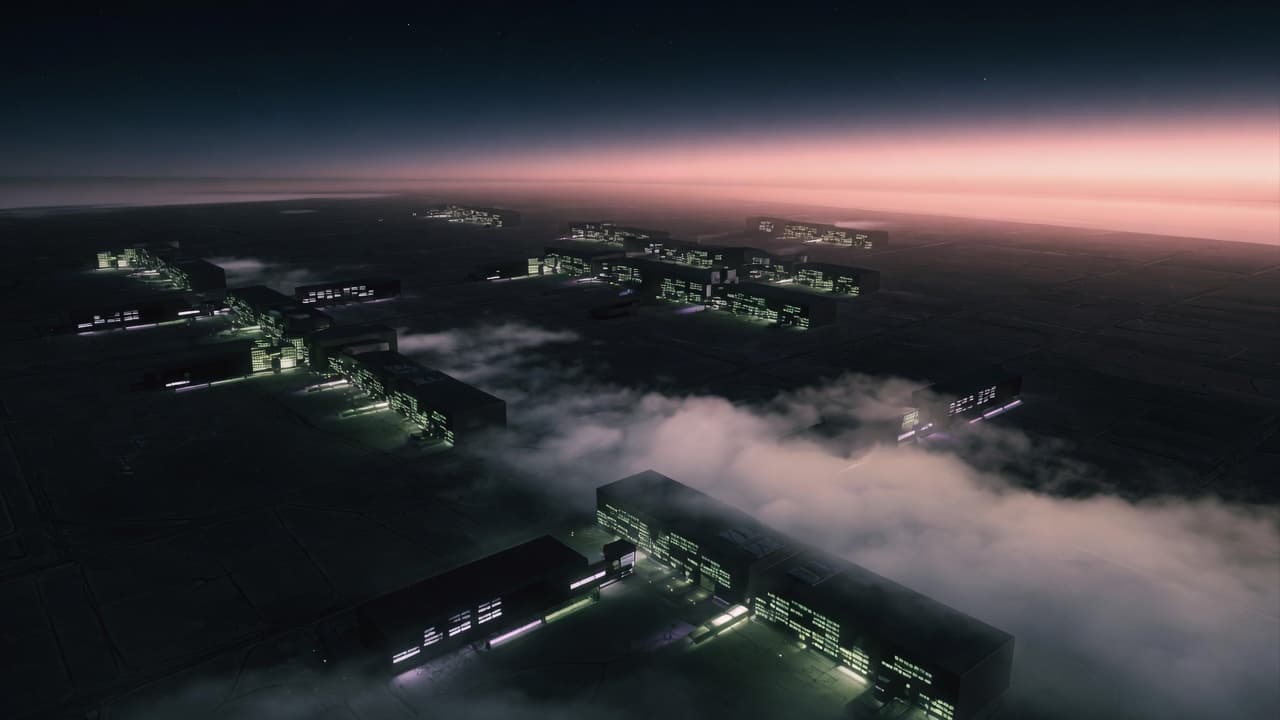
Meta is building a massive AI data center in central Alberta—its first facility in Canada—announced within the last 48 hours as part of an ongoing AI expansion briefing to press and local government partners. The move extends the company's hyperscale infrastructure footprint beyond its existing concentration in the United States and Europe, adding a new North American region to the map.
The facility isn't a hedge or a PR gesture toward Canadian regulators. It is, by Meta's own framing, a direct response to the compute demands of the global AI boom.
Why Alberta, Why Now
Meta's choice of central Alberta is consistent with a pattern the company and its peers have followed: find regions that offer land, energy access, and favorable conditions for large-scale compute, then build fast. Local Canadian officials described the project as a major investment in regional digital infrastructure—language that signals provincial government involvement in facilitating the site.
What distinguishes this announcement from a standard cloud-region expansion is the explicit AI workload framing. The Alberta site is expected to support both training and inference for Meta's family of large language and vision models, including future generations of Llama and related systems. That's a meaningful distinction. Training runs for frontier models are among the most power- and hardware-intensive operations in commercial computing. Siting a facility capable of handling that work puts Alberta in a different category than a typical regional edge node.
Dedicated AI Infrastructure, Not Retrofitted Cloud
Meta's build also reflects a broader industry shift that is now becoming structural: companies are constructing dedicated AI data centers rather than retrofitting legacy cloud facilities to handle AI workloads. The physics of AI compute—dense GPU clusters, high-bandwidth interconnects, aggressive power draw—make retrofit economics difficult. A facility designed from the ground up for AI training and inference can achieve utilization and thermal profiles that converted infrastructure simply cannot match.
This trend has accelerated as model sizes have grown and inference demand has scaled with product deployment. Meta runs Llama-based systems across its consumer platforms at a scale that makes inference cost a material line item. A purpose-built Canadian facility—geographically distributed from U.S. and European concentrations—also introduces redundancy and latency advantages for serving North American traffic.
What It Means for Meta's Global Compute Position
The Alberta announcement arrives as Meta is executing what it has described as a rapid expansion of computing capacity globally. The Canadian facility adds a node to an infrastructure network that, until now, had no hyperscale presence in the country. For Meta, that gap mattered increasingly as both model complexity and regulatory scrutiny of AI systems have grown across North American jurisdictions.
For Alberta and Canada more broadly, the signal is different—and worth reading carefully. A hyperscale AI data center of this type doesn't just bring construction jobs or regional tax revenue. It wires the province into the physical layer of one of the world's largest AI development pipelines. The workloads Meta intends to run there—training and inference for current and future Llama generations—are the same workloads that will define competitive AI capability over the next several years.
The bigger shift here isn't geographic. It's architectural. The global AI industry is mid-way through a transition from treating compute as a fungible cloud resource to treating it as dedicated, purpose-built, strategically sited infrastructure—closer in kind to power generation or semiconductor fabrication than to traditional IT. Meta's Alberta move is one more data point confirming that transition is no longer theoretical. The build-out is underway, and the map is being redrawn facility by facility.